Unleashing Power: Essential Performance Modifications for Custom-Built Engines
Tailored engine assemblies necessitate a deliberate mix of performance upgrades to truly unleash performance. Critical changes can substantially boost power and productivity. From refining air-fuel ratios to choosing the ideal camshaft, each decision affects overall performance. Understanding these components is critical. As builders explore these enhancements, the inquiry persists: which upgrades will deliver the most noticeable results? The conclusions emerge in a thorough analysis of individual mechanisms and their possibilities.
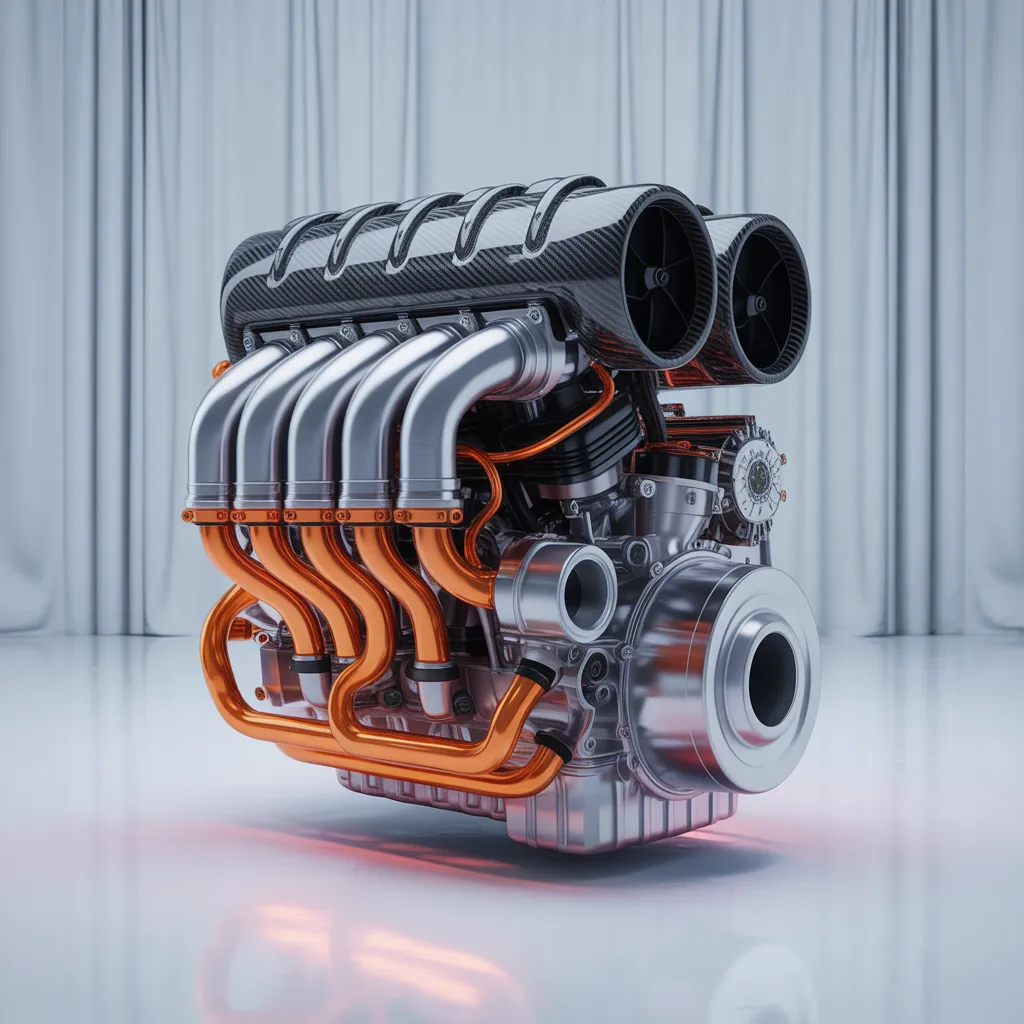
How to Master Engine Performance Fundamentals
Grasping core engine performance principles is vital for those seeking to build a custom engine upgrade. Critical elements consist of air and fuel mixture, efficient combustion, and exhaust circulation, all of which significantly affect power output. The air-fuel ratio must be properly adjusted to ensure effective combustion, as improper fuel levels can hinder performance. Additionally, proper ignition timing is a key factor in maximizing power; improper timing can result in engine knocking or diminished efficiency.
Another key consideration is the displacement of the engine, which has a direct impact on its power potential. High-displacement engines typically produce more power, but tuning and modifications can enhance performance in smaller engines as well. Finally, learning about engine cooling and lubrication systems is essential for maintaining top-level performance and engine lifespan. Understanding these core principles establishes a solid foundation for effective upgrades, culminating in a custom engine build that is both powerful and dependable.
Premier Performance Modifications for Turbochargers
When looking into enhancements for turbochargers, performance enthusiasts frequently focus on improvements that optimize airflow and increase efficiency. A particularly significant upgrade involves an oversized compressor wheel, which expands air intake capacity and enhances boost response. Moreover, installing a high-flow intercooler works to preserve ideal intake temperatures, boosting overall performance and minimizing the chance of engine knock.
An additional key improvement is the integration of a premium wastegate. This device allows for better regulation of boost levels, leading to more consistent power output. Additionally, employing a upgraded exhaust manifold can optimize exhaust flow, decreasing turbo lag and increasing overall turbocharger effectiveness.
Furthermore, adding a thermal turbo blanket can help retain heat in the turbo system, resulting in faster spool-up times and enhanced performance. By prioritizing these enhancements, enthusiasts can considerably increase their turbocharger's efficiency, producing a stronger and more responsive engine build.
Boost Your Fuel System for Superior Efficiency
Optimizing the fuel system is critical for attaining maximum efficiency in tailored engine setups. A high-performance fuel pump delivers a uniform and ample supply of fuel, which is vital for maximum engine efficiency. Additionally, oversized fuel injectors can provide increased fuel flow, catering to increased air intake and keeping the ideal air-fuel ratio. Installing a fuel pressure regulator improves system stability, allowing for precise control over fuel delivery under varying conditions.
Furthermore, switching to upgraded fuel filters eliminates restrictions, guaranteeing the engine receives clean fuel. This increases efficiency and contributes to a longer engine life. Adopting a recirculating fuel system can further improve performance by sustaining stable pressure across varying operating conditions. With the precise selection and integration of these components, engine builders can maximize the potential of their custom builds, leading to enhanced power output and better overall efficiency.
Maximize Airflow With Exhaust Upgrades
Enhancing the exhaust system is critical for maximizing engine performance by increasing airflow. Premium exhaust systems and header upgrades play significant roles in minimizing back pressure and increasing exhaust velocity. These modifications not only maximize power output but also produce a more aggressive engine sound.
Top-Quality Exhaust Systems
Performance-grade exhaust systems are essential for maximizing engine performance and power delivery in custom builds. These systems minimize back pressure, facilitating enhanced exhaust gas movement, which boosts overall engine output. Through the use of lightweight components and wider diameter piping, high-performance exhausts minimize weight while promoting efficient airflow. In addition, they often feature mandrel bends, which eliminate restrictions and turbulence inside the system. This enhanced design not only results in greater horsepower and torque but also provides a more aggressive sound that many enthusiasts desire. Additionally, high-performance exhaust systems can enhance engine cooling by dispersing heat more effectively, improving reliability under high-stress conditions. Ultimately, these enhancements are vital for anyone aiming to unlock their engine's full potential.
Header Upgrade Advantages
One of the best ways to improve engine performance is through performance header installations, which significantly improve airflow in conjunction with exhaust system improvements. By upgrading factory headers to high-performance options, the engine can release exhaust gases more effectively. This decrease in back pressure facilitates enhanced engine breathing, resulting in increased horsepower and torque.
Additionally, performance headers incorporate wider tubing and smoother bends, which significantly improves exhaust flow. The materials selected, such as stainless steel, ensure long-lasting performance and heat resistance. Ultimately, header upgrades not only optimize engine efficiency but also enhance the engine's acoustic output, providing a more aggressive exhaust note. This combination of benefits makes header upgrades a crucial consideration for any dedicated engine build.
Upgrade Your Build With Performance Camshafts
Choosing the proper camshaft is essential for optimizing engine efficiency. Recognizing the fundamentals of duration and lift can considerably affect how an engine responds and performs. By adjusting these specifications, builders can improve horsepower and torque to suit unique driving needs.
Choosing The Right Camshaft
In terms of enhancing engine performance, selecting the correct camshaft is critical for attaining targeted power goals and improving overall efficiency. A carefully chosen camshaft can greatly impact engine behavior, influencing factors such as throttle response, torque curve, and maximum power output. Builders must assess their power objectives, whether aiming for increased low-end torque or top-end power, as varying camshaft designs address different requirements. Integration with current engine parts, such as the induction and exhaust configurations, is also crucial. Moreover, understanding the operational range of the engine assists in selecting a camshaft that complements get details the intended use, be it road use or competitive racing. In the end, the ideal camshaft can be a transformative element in a bespoke engine build.
Comprehending Lift And Duration
Understanding duration and lift is essential for improving camshaft performance in custom engine builds. Lift describes the extent the valve opens on the intake or exhaust side, directly affecting the engine's airflow. A larger lift value facilitates increased air and fuel intake, increasing power output. Duration, on the other hand, quantifies the period the valve remains open during the engine cycle. Longer duration can boost performance at elevated RPMs but may compromise low-end torque. Achieving the proper balance of lift and duration is imperative; an overly high lift can lead to valve float, while inadequate duration can restrict engine breathing. Tailoring these settings based on targeted performance requirements confirms that the engine runs efficiently and effectively, maximizing its overall potential.
How to Choose the Best Engine Management System
How does one go about selecting the most ideal engine management system for a personalized engine configuration? Identifying the right engine management system (EMS) entails several key considerations. Initially, the intended application of the engine must be assessed; regardless of whether it is for road use, track performance, or rugged terrain affects the choice. Compatibility with existing hardware, such as measurement devices and control units, is vital to secure seamless integration.
Subsequently, examining the performance tuning features is essential. A easy-to-navigate interface and advanced data logging capabilities can greatly enhance tuning performance. Furthermore, the availability of support networks and community tools can help facilitate diagnosing issues and improving performance.
Cost considerations also come into play; higher-end systems offer advanced features but may exceed financial limitations. Additionally, examining user reviews and professional guidance can offer valuable information on dependability and effectiveness. By weighing these factors, one can identify the most suitable EMS for their custom engine build, maximizing performance and efficiency.
Frequently Asked Questions
What Tools Are Essential for Custom Engine Builds?
Essential tools for custom engine builds encompass a precision torque wrench, engine hoist, accurate measurement instruments, socket sets, precision screwdrivers, and a comprehensive tool kit. Such equipment provide accuracy, efficiency, and safety throughout the engine assembly.
How Do I Calculate My Engine's Horsepower Potential?
To calculate a motor's power output potential, it is important to examine airflow, displacement, compression ratios, and fuel type. Additionally, dynamometer analysis can provide detailed measurements and uncover performance constraints, providing effective direction for future enhancements and modifications.
What Are the Signs of Engine Wear During Upgrades?
Signs of engine wear when performing upgrades include strange sounds, decreased performance, increased oil consumption, apparent leaks, and heavy smoke. Keeping track of these signs can help identify possible concerns before they progress and affect overall engine functionality.
Can Upgrades Be Performed Without Professional Help?
Upgrades may be completed without professional guidance, given that the individual has the necessary knowledge, tools, and experience. However, caution is advised, as faulty installations could cause costly errors or harm to the engine.
What Is the Typical Cost of a Custom Engine Build?
The typical cost of a engine build project usually sits between $3,000 and $10,000, depending on specifications, parts quality, and labor. Enthusiasts should budget accordingly to reach their performance goals and ensure reliability.